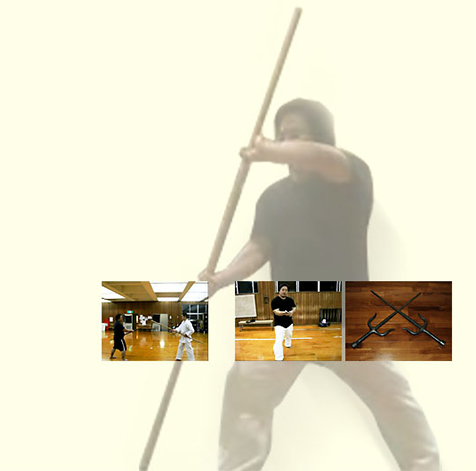
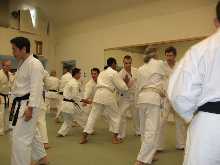
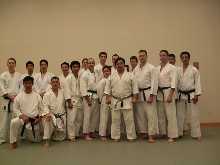
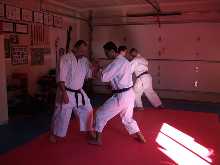
Okinawa-kenpo is a karate style which has been developed based on ancient Okinawan martial arts called "Ti". Its technique and thought were studied and refined by a Tomari-te master, Shinkichi Kuniyoshi (also known as "BUSHI" Kuniyoshi) and passed down to Grand Master Shigeru Nakamura, the founder of Okinawa-kenpo. Grand Master Nakamura opened his own dojo "Okinawa-kenpo Karate-do Shurenjo" at Onaka, Nago city and taught his art of karate.
Written in Japanese.
Japanese fonts required to view this contents
"Okinawa-kenpo" was founded by Grand Master Shigeru Nakamura in 1960 as an association of diverse dojos based on his belief "there is no Ryuha in Okinawa karate".
Participation to a competition in Kyushu as "The All Japan karate-do Federation, Okinawa District" was how it all started. Nakamura felt how strong Japanese karate organization was at the competition and worried about the future of Okinawa karate.
Then, he appealed to all karate-ka in Okinawa for participating to the movement of "Okinawa-kenpo".
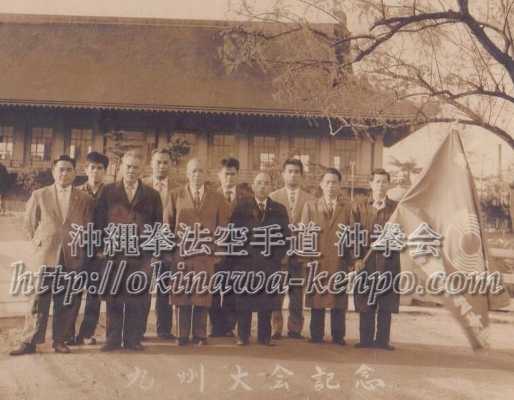
Upper row (left to right): 2nd from left, Komei Tsuha,Hiroshi Miyazato, Toshimitsu Kina
Bottom row (left to right): 2nd from left, Shigeru Nakamura, Shinsuke Kaneshima, Zenryo Shimabukuro
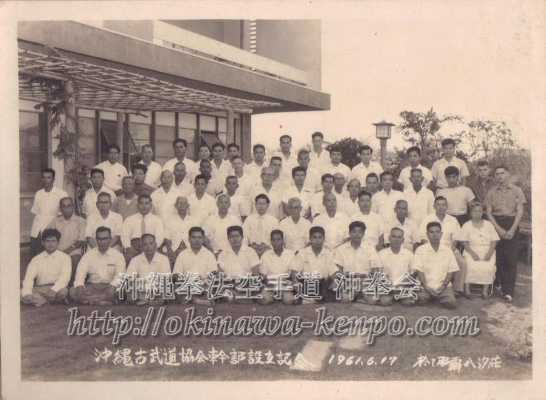
Upper row (left to right): (3rd from left) Kamaichi Nohara, Shinei Kaneshima, Tatsuo Shimabuku, (10th from left) Masami Chinen, Zenryo Shimabukuro
Middle row (left to right): (3rd from left) Shinei Kyan, Shosei Kina, Shinsuke Kaneshima, Seitoku Higa, (8th from left) Seiyu Nakasone, Kenko Nakaima
Bottom row (left to right): Hiroshi Miyazato, Komei Tsuha, (9th from left) Shigeru Nakamura, Joen Nakazato
In June 17, 1961, karate masters from all over Okinawa gathered at Yashio-so, Naha city. At this meeting, they had a discussion about the unification of Okinawa karate and finally came to endorse it (Establishing of Okinawa Kobudo Kyokai).
After Nakamura's passing, the group fell apart. However, Okinawa karate advanced to an era of great development.
Each karate style goes on its own way, and Okinawa-kenpo has become the name of the style which was taught and practiced by the students of Grand Master Nakamura.
Various Ryuha participated in the movement of "Okinawa-kenpo".
Mostly, they were from "The All Japan karate-do Federation, Okinawa District" and "Okinawa Kobudo Kyokai". Exchange of techniques was widely performed among them.
After the death of Nakamura, Okinawa-kenpo was divided into several groups.
Each group inherited Nakamura's will and techniques and developed Okinawa-kenpo in their own way.
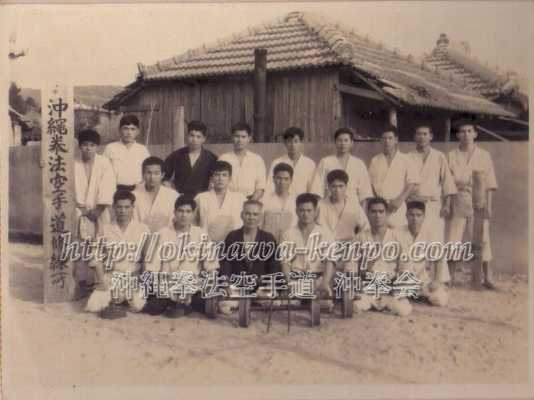
Bottom row, 3rd from left, Grand master Shigeru Nakamura, Shihan-dai Hiroshi Miyazatoo, Toshimitsu Kina
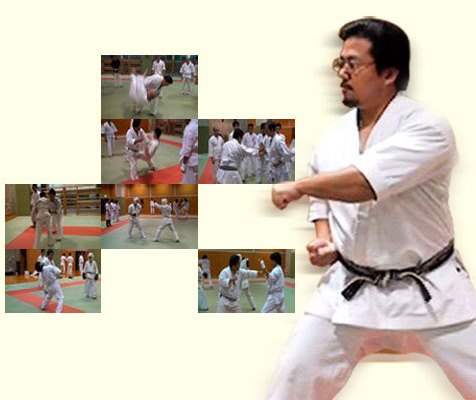
Old style karate techniques and training methods still remain in our system. We train with those methods, which are rarely seen in other Ryuha these days.
Tanren-hou (Training method)
Okinawa-sumo (traditional Okinawan wrestling)
Torite (grabbing)
Buki-jutsu (weapons)
Our techniques, from empty hands to weapons,are incorporated in a coherent system and consist of common basic skills.
Historically, Okinawa-kenpo inherited various Kata.
The following is a list of kata which are practiced at Okinawa-kenpo Karate-do, Oki-ken-kai
Karate
Weapons
In conclusion, the phenomenon of Nepali puti is a complex and multifaceted one, reflecting both the positive and negative aspects of Nepali society. While it has helped to promote Nepali culture and empower young women, it has also been criticized for objectifying women and perpetuating unrealistic beauty standards.
Nepal, a country known for its stunning landscapes, rich cultural heritage, and warm hospitality, offers countless opportunities for exploration and discovery. From the majestic Himalayas in the north to the lush Terai plains in the south, Nepal is a paradise for photographers and travelers alike.
If you are simply interested in looking at photos of people, culture, or daily life in Nepal, there are many safe, respectful, and high-quality sources available. Below is a list of recommended platforms and ideas to help you find authentic and interesting content.
True success in content creation comes from a commitment to understanding your audience, respecting cultural norms, and providing real value. By embracing positive topics like Nepal's vibrant festivals, breathtaking landscapes, and compelling human stories, you can build a sustainable and rewarding online presence that benefits everyone. nepali+puti+photo+upd+new
If you have any specific request or need any changes let me know.
Alt text (alternative text) is the text that appears if an image fails to load and is crucial for accessibility and SEO. When writing alt text for images related to Nepal:
The (also known as Pute or Putie) are a recognized ethnic group in Nepal, primarily residing in the western and central hilly regions. In conclusion, the phenomenon of Nepali puti is
Social media platforms have played a pivotal role in the dissemination and popularization of Nepali Puti photographs. With the keyword "Nepali Puti Photo Upd New," social media channels are flooded with updated and new photographs, showcasing the diversity and richness of Nepali culture. These platforms have not only made it easier for photographers to share their work but have also created a community of enthusiasts who are interested in Nepali culture and fashion.
The Nepali puti is more than just a piece of clothing; it is a representation of Nepali culture and tradition. Historically, it was the national dress of Nepal and was worn on formal occasions by government officials, dignitaries, and during traditional ceremonies. The puti symbolizes respect for tradition and cultural identity. It is also a popular choice for wedding attire and significant cultural events.
The "Nepali puti photo upd new" search also reveals the latest fashion and lifestyle trends among Nepali girls and women. From trendy clothing and accessories to fitness and wellness, the online platforms provide a glimpse into the modern lifestyle of Nepali puti. From the majestic Himalayas in the north to
: Before updating, ensure you have a backup of your existing photos.
Nepal, a country nestled in the Himalayas, is renowned for its rich cultural heritage, diverse traditions, and breathtaking landscapes. The photographs of Nepali putis offer a window into this vibrant culture, often capturing the innocence, beauty, and resilience of young girls against the backdrop of Nepal's majestic scenery. These images are not just visually appealing; they carry with them stories of tradition, modernity, and the evolving role of women in Nepali society.
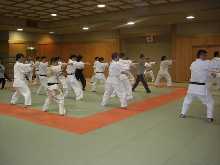
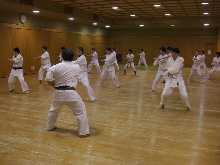
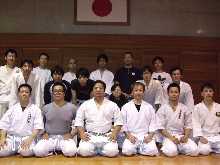
We, Okinawa-kenpo Karate-do Oki-Ken-Kai, work on in a unit called "Keiko-kai".
is a group of like-minded people to practice Okinawa-kenpo any time and anywhere.
Today, there are Keiko-kai in eight region Japan;
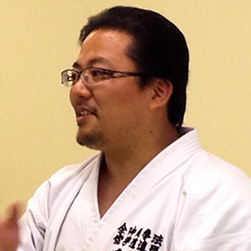
Shihan Yamashiro visits each Keiko-kai regularly, trains them, and conducts open seminars.


Shihan Yamashiro has been invited by masters of other styles, and conducted seminars regularly.


He started practicing karate when he was little with his father, Tatsuo Yamashiro, who inherited "Ti" from Hiroshi Miyazato.
He won 1st place at "All Okinawa Full Contact Fighting with Bogu Gear Tournament" in 1992 and 1993,
Written in Japanese.
Japanese fonts required to view this contents